

How to Sign a Rental Contract in Korea as a Foreigner
Step-by-step guide to signing a Korean rental contract. What documents you need, what to check, and common pitfalls.
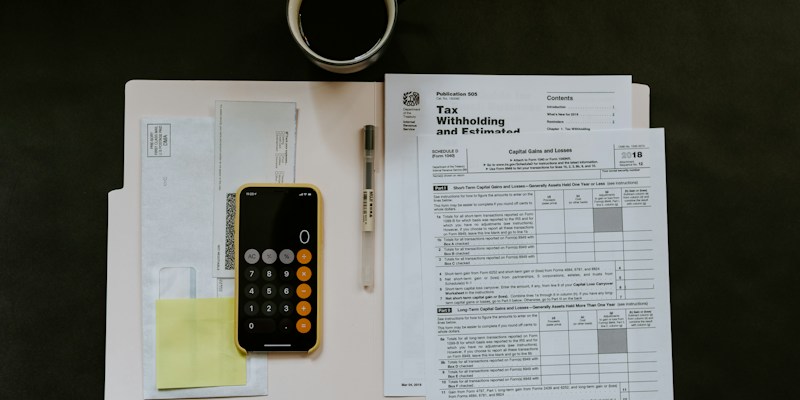
Documents You'll Need
- Passport (with valid visa)
- Alien Registration Card (외국인등록증) — if you have one
- Phone number — Korean phone number preferred
- Bank account — for deposit transfer
Good news: Many goshiwon and sharehouses have simplified contracts that don't require an ARC. Just a passport and deposit is enough.
Key Contract Terms to Check
- Contract period — minimum stay, notice period
- Deposit amount — and return conditions
- What's included — utilities, internet, maintenance fees (관리비)
- House rules — guests, pets, noise, smoking
- Early termination — penalty fees if you leave early
Red Flags
- Landlord refuses to provide a written contract
- Asking for deposit in cash only (always transfer to a bank account)
- No clear terms for deposit return
- Pressure to sign immediately without viewing the room
Understanding Korean Contract Terms
Korean rental contracts (임대차 계약서) contain specific terminology you must understand. Here are the key terms:
| Korean Term | English | What It Means |
|---|---|---|
| 임대인 (imdaein) | Landlord | Property owner or authorized representative |
| 임차인 (imchain) | Tenant | You, the renter |
| 보증금 (bojeonggeum) | Deposit | Refundable security deposit |
| 월세 (wolse) | Monthly rent | Regular monthly payment |
| 관리비 (gwanribi) | Maintenance fee | Building management cost (separate from rent) |
| 계약기간 (gyeyak gigan) | Contract period | Duration of your lease |
| 갱신 (gaengsin) | Renewal | Contract extension terms |
| 원상복구 (wonsang bokgu) | Restoration | Return room to original condition |
| 중도해지 (jungdo haeji) | Early termination | Breaking the contract before end date |
| 특약사항 (teuk-yak sahang) | Special conditions | Custom terms added to standard contract |
Critical clause to look for: The 특약사항 (special conditions) section is where landlords add custom rules. Read this carefully — it may include restrictions on pets, visitors, subletting, or specific penalties. If something is verbally promised but not in the 특약사항, it is not legally binding.

Step-by-Step Signing Process
Here is the complete process from finding a room to having keys in your hand:
- Find and visit the room — Always see it in person. Take photos and videos.
- Negotiate terms — Deposit, monthly rent, move-in date, included items. Everything is negotiable.
- Verify the landlord — Request to see 등기부등본 (property registration). The name on this document must match the person signing your contract. If different, ask for a power of attorney document (위임장).
- Review the contract — Get a copy in advance if possible. Use Papago or Google Translate for Korean text, or ask a Korean friend to help.
- Signing day — Both parties sign. Bring your passport, ARC (if available), and a pen. You will sign multiple copies (one for each party).
- Pay the deposit — Transfer to the bank account listed in the contract ONLY. Keep the transfer receipt. Never pay in cash.
- Get keys and move in — Check that everything works. Document the room condition immediately.
- Register your move (전입신고) — Go to your local 주민센터 within 14 days with your contract and ARC.
- Get confirmed date (확정일자) — Same visit, same office. Costs ₩600. Protects your deposit legally.
Timeline: From agreement to move-in is typically 1-7 days for goshiwon, 1-2 weeks for one-rooms, and 2-4 weeks for officetels.
What to Do After Signing
Many foreigners focus on the signing but forget the critical post-signing steps:
Within 24 hours of move-in:
- Take photos/video of EVERY room, wall, floor, appliance, and any existing damage
- Test all appliances: AC, heating, hot water, stove, washing machine
- Check for mold in bathroom ceiling corners and under sinks
- Test water pressure in shower and all faucets
- Change the digital door lock code (ask landlord for the admin code)
- Send all photos to your landlord via KakaoTalk with a message: "입주 시 방 상태입니다" (Room condition at move-in)
Within 14 days:
- Go to 주민센터 for 전입신고 (move-in registration) — bring contract + ARC
- Get 확정일자 (confirmed date stamp on your contract) — same office, ₩600
- Set up automatic bank transfer for monthly rent
- Learn the garbage disposal schedule and rules for your building
- Introduce yourself to the building manager (관리사무소) if applicable
Within 30 days:
- Set up internet if not included (KT, SKT, LG U+ — 1-year contracts are cheapest)
- Register for any building amenities (gym, parking, etc.)
- If heating is gas-based, register with the gas company
- Report any issues to landlord in writing (KakaoTalk with photos)
Sample Contract Walkthrough
Here is what a typical Korean rental contract looks like section by section, with what to look for:
Section 1: Property Information (부동산의 표시)
- Address, floor, room number, and size (in pyeong or square meters)
- Verify this matches the actual room you visited
- 1 pyeong = 3.3 square meters
Section 2: Contract Terms (계약내용)
- Deposit amount and payment schedule (often 10% on signing, 90% on move-in)
- Monthly rent amount and due date
- Contract start and end dates
- Maintenance fee amount (if separate)
Section 3: Special Conditions (특약사항)
- This is the most important section for foreigners
- Items to add if not present: "보증금은 퇴거일에 전액 반환한다" (Deposit returned in full on move-out day)
- Any verbal promises (repairs, furniture, etc.) MUST be written here to be enforceable
- Early termination clause and penalty should be clearly stated
Section 4: Signatures (서명)
- Both landlord and tenant sign with date
- Landlord provides ID verification (주민등록번호 or 사업자등록번호)
- If signing through a realtor, their stamp/seal appears here too
What to add to your contract:
- "외국인 조기 귀국 시 1개월 전 통보로 계약 해지 가능" (Foreigner can terminate with 1-month notice if leaving Korea)
- "입주 시 하자 사진 기록 후 퇴거 시 원상복구 의무 면제" (No restoration obligation for documented pre-existing damage)
- Specific list of included furniture/appliances
When to Walk Away
Not every deal is worth taking. Here are clear signals that you should find a different place:
Immediate deal-breakers:
- No written contract offered — Even for goshiwon, you need something in writing
- Cash-only deposit payment — No paper trail means no proof you paid
- Landlord name does not match 등기부등본 — You might be dealing with a fraud or unauthorized subletter
- Refuses to let you take photos — They are hiding problems
- High-pressure tactics — "Someone else is coming to sign today" or "Price goes up tomorrow" are classic pressure techniques
- Mold, pests, or structural damage visible — These problems only get worse
Yellow flags (proceed with caution):
- Landlord lives far away and is hard to contact — maintenance issues will be slow to fix
- Building has no CCTV at entrance — security concern
- No fire safety equipment visible — safety risk
- Other tenants seem unhappy when you ask about the building
- The price is significantly below market rate — something is probably wrong
Remember: In Korea, there are thousands of available rooms at any time. Never feel pressured to sign immediately. A good landlord will give you at least 24-48 hours to think about it. If they will not, that tells you something about how they will treat you as a tenant.
The sunk cost trap: If you traveled far to see a room and it does not feel right, it is okay to say no. The taxi fare or time spent is nothing compared to months of living in a bad situation. Trust your instincts.